The DoD’s Defense Advanced Research Projects Agency (DARPA) is soliciting proposals for a program which will enable them to monitor ideas on social media sites and intervene to prevent “adverse outcomes.”
This might seem tame by comparison with other DARPA projects, like flying submarines and synthetic blood. But their latest project is an extension of the military’s long and storied effort to influence events behind the scenes on a geopolitical scale. Look up Operation Mockingbird and Edward Lansdale for a primer course.
From the proposal:
Events of strategic as well as tactical importance to our Armed Forces are increasingly taking place in social media space. We must, therefore, be aware of these events as they are happening and be in a position to defend ourselves within that space against adverse outcomes.
Program goals:
In particular, Social Media in Strategic Communication (SMISC) will develop automated and semi‐automated operator support tools and techniques for the systematic and methodical use of social media at data scale and in a timely fashion to accomplish four specific program goals:
1. Detect, classify, measure and track the (a) formation, development and spread of ideas and concepts (memes), and (b) purposeful or deceptive messaging and misinformation.
2. Recognize persuasion campaign structures and influence operations across social media sites and communities.
3. Identify participants and intent, and measure effects of persuasion campaigns.
4. Counter messaging of detected adversary influence operations.
Meeting those goals
Technology areas particularly relevant to SMISC are shown here grouped to correspond to the four basic goals of the program as described above:
1. Linguistic cues, patterns of information flow, topic trend analysis, narrative structure analysis, sentiment detection and opinion mining;
2. Meme tracking across communities, graph analytics/probabilistic reasoning, pattern detection, cultural narratives;
3. Inducing identities, modeling emergent communities, trust analytics, network dynamics modeling;
4. Automated content generation, bots in social media, crowd sourcing.

The whole proposal has a veneer of respectability to it – that this technology will be used to keep the peace. But phrases like “adverse outcomes,” “influence operations” and “meme tracking” are vague and have me thinking that this program will be used to quell or limit the impact of ideas and events that don’t line up with the U.S. military’s goals.
What’s different about this latest communication revolution, social media, is that the military was not at the forefront of its development as was the case with other communication revolutions. Rumsfeld wasn’t tweeting Bush about WMDs in Iraq. They don’t know things about social media that we don’t, hence the creation of this program. However, you can bet that they eventually will, and they’ll use it too.
For a .pdf download of the proposal, click here.


 newshound
Notes on the March to the NYSE, Nov. 17
I saw some bizarre things this morning. I saw five helicopters hovering over downtown Manhattan. I saw Zuccotti Park completely barricaded by the NYPD save for two small entrances on either side. I saw cops exercising compassion and empathy, and others exercising aggression and anger. I saw a man in the throes of a seizure, his body convulsing with arms flung straight out, wrists and fingers bent at extreme angles.
The police dispersed protestors from Wall Street on Nov. 17.
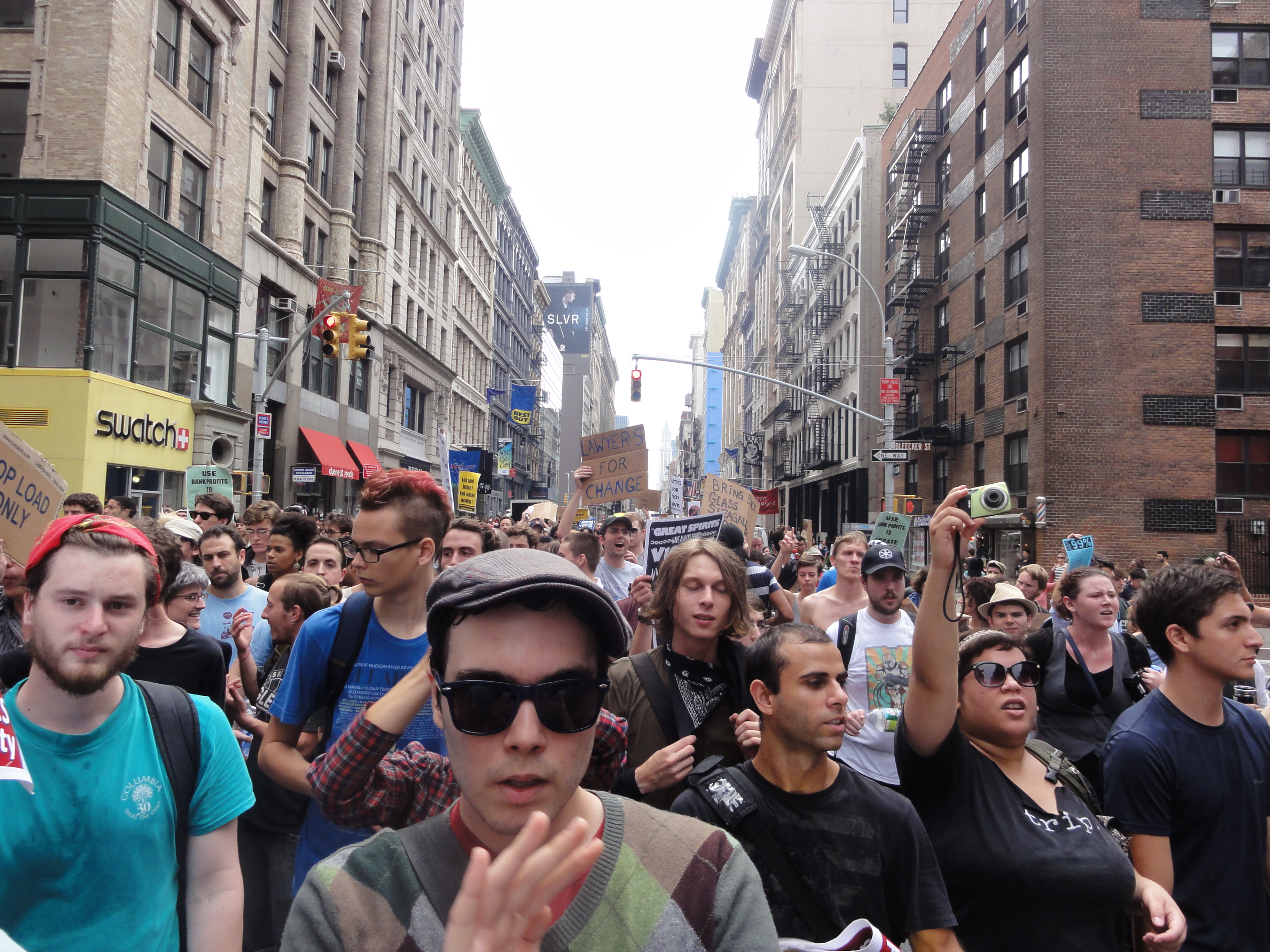
On Wall Street protestors linked arms and formed a human barricade. Not to avoid being arrested, but in an effort to physically shut the street down by not allowing pedestrians to pass through.
One pedestrian laughed as he tussled with protestors. After getting through he walked back around the barricade and taunted those who were being roughed up by the police.
Another Wall Streeter saw a human barricade being formed in front of him and immediately went ballistic. The well-dressed young man screamed “you cannot be serious!” and started pushing and punching his way through the line.
Someone commented on a YouTube video I posted of today’s action. “It’s a shame it’s come to this,” they said. “Civil disobedience cannot impede commerce.” Others called the protestors fascists for blocking Wall Streeters’ paths to their jobs or said they were “no better than the cops.”
As for civil disobedience impeding commerce, many of the Civil Rights Movements’ most successful operations involved “impeding commerce.” The marches and sit-ins hurt local businesses and the major ones caused economic hiccups in the largest cities. I challenge the notion that this is a bad thing. Not only does civil disobedience need to impede commerce, it needs to impede every aspect of normal life. The 99 percent are in this together, whether you identify with them or not. The discomfort they inflict on their peers isn’t done in a spirit of malice, but rather as a way to make those who are not engaged stop and think about how they’re affected by conditions beyond their control.
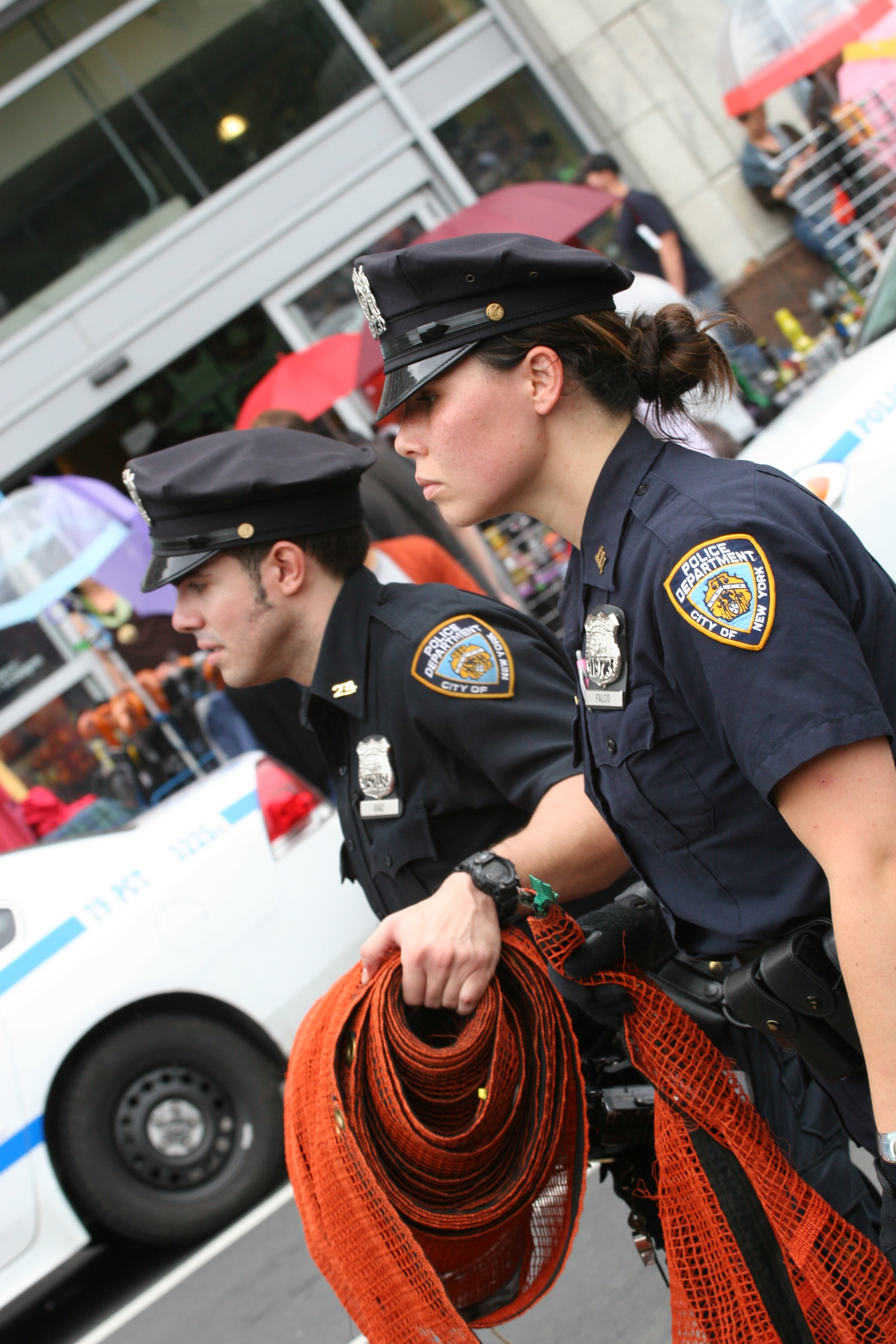
Although there were at least two hundred arrests, the NYPD seemed more prepared this time around. Occasionally I picked out a cop who I could tell genuinely enjoyed violently imposing his will on people. On the other side of that coin were the few protestors that instigated cops and came looking for a fight.
Troublemakers aside, the NYPD seemed calmer than they did on the Sept. 24 march to Union Square. There were certainly tense moments when fear rippled through the crowd as people were thrown against each other and wild-eyed cops advanced. But in my opinion, the police did a better job of controlling and dispersing the crowd when it was time.
The truth is that Occupy Wall Street needs the police. Without an authority figure to rail against the movement would have lost its steam long ago. Public sympathy wouldn’t be nearly as strong if videos of police beating protestors didn’t get out. That’s not to say the NYPD could solve their problem by ignoring it, but rather that the protest owes much of its clout to the very actions they decry when engaging in marches and civil disobedience. If the police can handle the protestors without fracturing skulls, and the occupy movement can live on through the publicity generated by a few bruises and a couple hundred arrests, it’s a win for the 99 percent.
To view footage taken from the Nov. 17 March to the NYSE, click here.
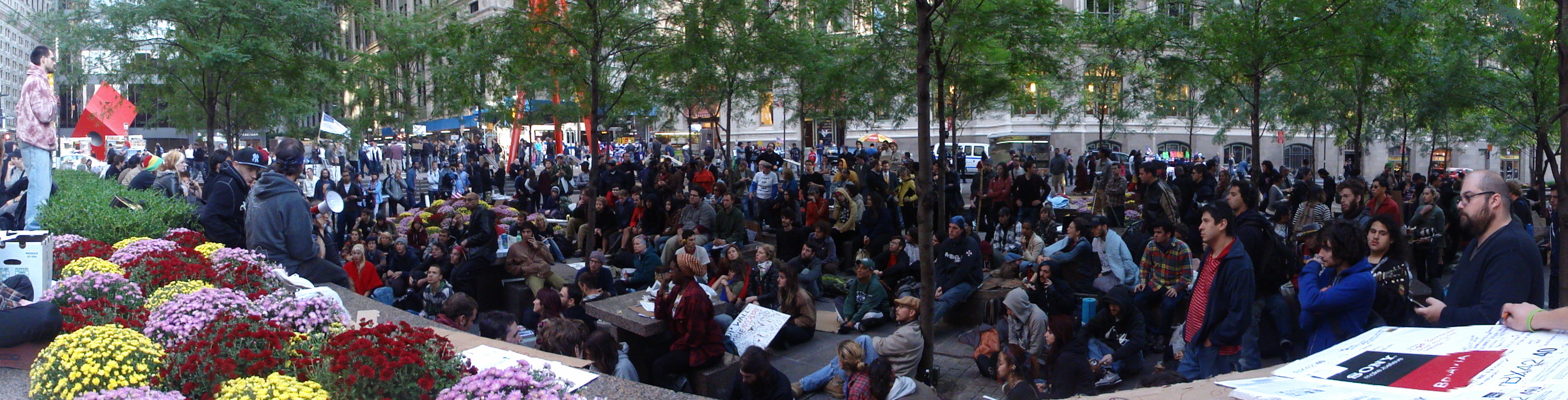
Back at Zuccotti Park police clashed with protestors after they began removing the barricades surrounding the park.